



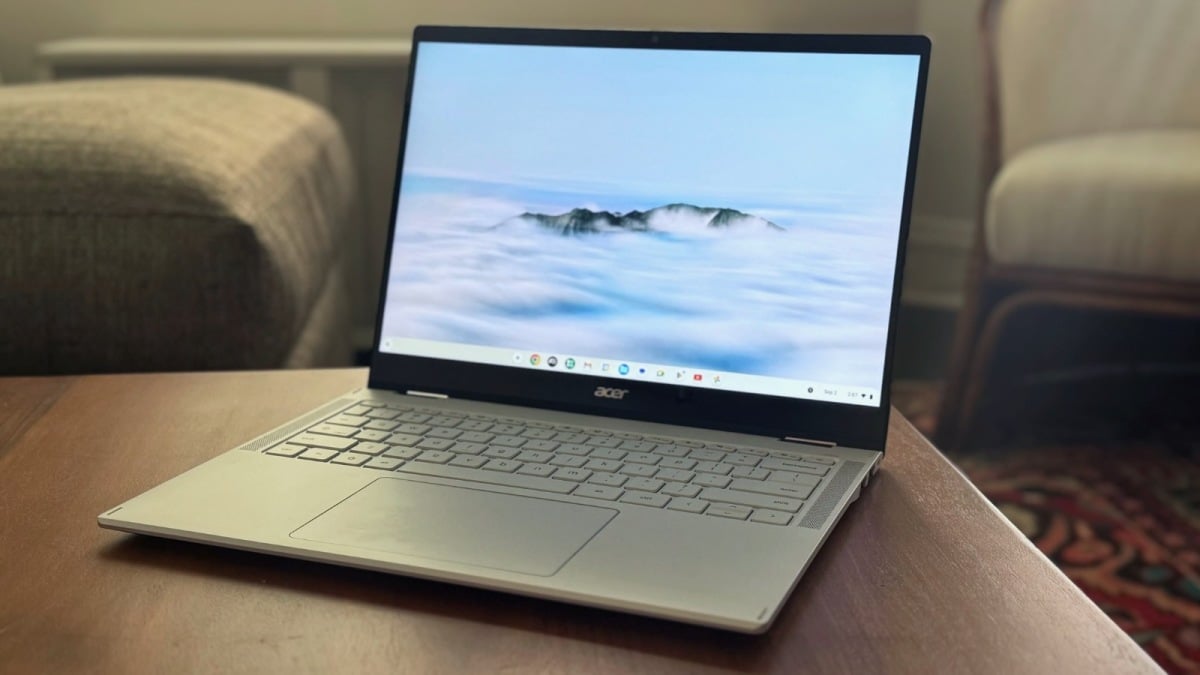
Windows laptops aren’t the only computers getting more expensive amid the global RAM shortage. Two PC makers just quietly raised the prices of their premium Chromebooks as well.
As of mid-May, two configurations of the Lenovo Chromebook Plus 14 and one variant of the Acer Chromebook Plus Spin 514 were up to $250 pricier than they were at launch last year:
A second configuration of the Acer model has remained steady at $799.99 since its release in September 2025, though it was out of stock at the time of writing.
Lenovo and Acer haven’t formally announced these price changes, which were first reported by the tech site Chrome Unboxed. Mashable reached out to both companies and will update this story if we hear back.
Mashable 101 Fan Fave: Vote for your favorite creator today!
Mashable Light Speed
Both Chromebooks are best-in-class machines (we’ve tested them), but they were already costly at their original MSRPs. The now-$999 Lenovo Chromebook Plus 14, in particular, is impossible for me to recommend at full price despite its beautiful OLED display and peppy processor. An on-sale M5 MacBook Air is a vastly smarter buy.
If nothing else, these Chromebooks make Apple’s new budget laptop, the Mashable Choice Award-winning MacBook Neo, look like even more of a bargain at $599 (or $499 for education buyers). But it might not be available at that price for much longer.

The Lenovo Chromebook Plus 14 is a really nice Chromebook — but for $999, just get an on-sale MacBook Air.
Credit: Sarah Chaney / Mashable
A surge in RAM and SSD demand for AI data center construction has led to a shortage of those components, driving up prices for the chips themselves and, by effect, the consumer electronics that require them. The RAM crisis has gotten so dire lately that scammers have started selling fake RAM modules, and it’s expected to get worse next year.
In April, Microsoft announced price hikes of up to $500 for its Surface Laptops and Surface Pro convertibles, blaming “recent increases in memory and component costs” in a statement to Windows Central. Meanwhile, the modular PC maker Framework has adjusted its RAM and SSD prices every month since December. Most recently, it told customers that it’s seen some stability this spring, but cautioned that it’s likely just “a temporary reprieve.”
For its part, Apple has been largely immune to “RAMageddon” so far, though it discontinued the cheapest configuration of its Mac mini desktop computer earlier this month. The base MacBook Neo might soon suffer the same fate, according to tech analyst Tim Culpan.