Key Takeaways
- Binance lost $6.3 billion on Oct. 30 in a hot-wallet exploit linked to compromised work laptops.
- FSC directed DAXA and major Korean exchanges to boost reserves and exceed the 80% cold-wallet rule.
- Regulator Yoo Young-jun will coordinate with FSS and global agencies on ongoing enforcement.
South Korea Orders Security Review Following Binance Hack
South Korean financial regulators have urged domestic cryptocurrency exchanges to strengthen their security protocols and increase the proportion of customer assets held in cold wallets. The directive came during an emergency inspection meeting convened by the Financial Services Commission (FSC) and attended by the country’s digital finance policy officer, Yoo Young-jun.
According to local reports, representatives from the Financial Supervisory Service, the Korea Financial Security Institute, the Digital Asset Exchange Association, and major South Korean cryptocurrency exchanges attended the meeting. The regulatory review followed an Oct. 30 security breach involving Binance’s hot wallets, in which hackers reportedly stole approximately $6.3 billion in digital assets.
Preliminary assessments suggest the Binance breach originated from unauthorized access to internal systems through an employee’s work laptop, allowing attackers to bypass withdrawal approval and transaction-signing mechanisms. On Tuesday, the exchange said that the breach was further intensified by fake job interviews and compromised AI tooling, letting attackers quietly gain access to Binance infrastructure.
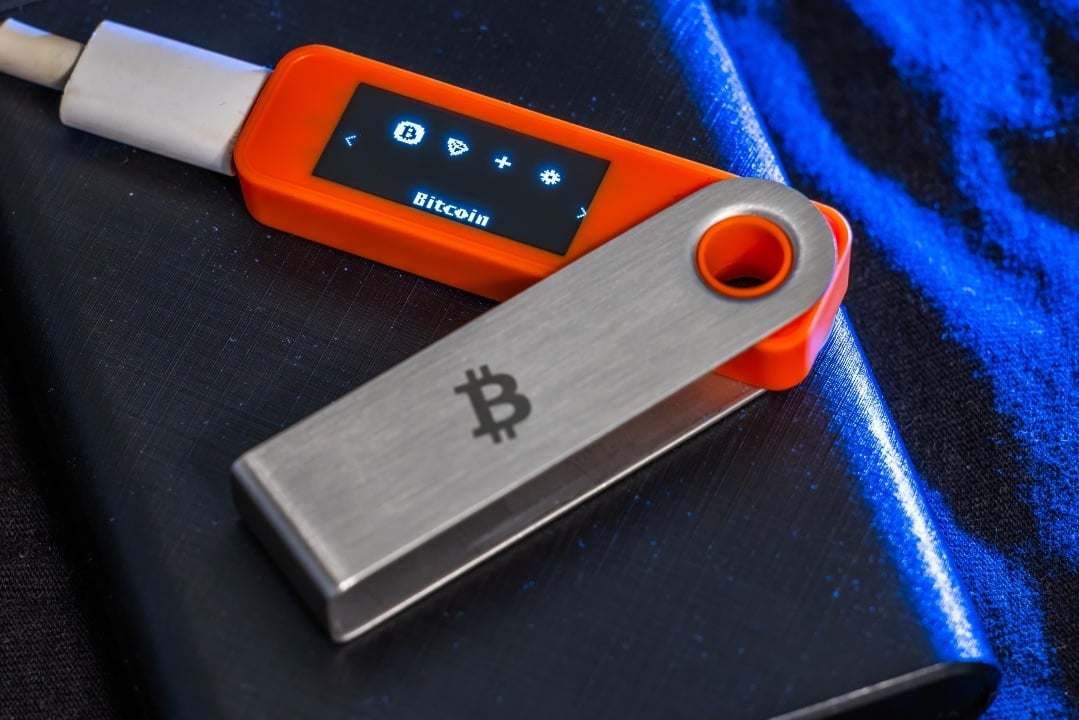
Unlike hot wallets, which facilitate active trading through continuous internet connectivity, cold wallets isolate funds from external networks, significantly reducing cybersecurity risks.
During the emergency meeting, officials reviewed internal IT access controls, administrator permissions, and multisignature withdrawal verification procedures across domestic exchanges.
The FSC urged exchanges to implement immediate preventive measures, including increasing the proportion of digital assets stored in cold wallets beyond minimum regulatory requirements. The regulator also called for continuous, real-time monitoring of suspicious deposits and withdrawals, expanded emergency response staffing, and the establishment of rapid-reporting and coordination channels.
Existing Laws Require 80% of Customer Assets in Cold Storage
Under South Korea’s Virtual Asset User Protection Act, cryptocurrency exchanges must store at least 80% of customer digital assets in cold wallets and maintain customer cash deposits at commercial banks. Operators must also obtain insurance, participate in mutual aid programs, or maintain minimum reserves of $2.2 million for won-denominated platforms.
South Korean authorities said they would maintain close coordination with domestic exchanges and international regulatory counterparts to prevent further breaches and limit potential market contagion.