Key Takeaways
- EU Parliament advanced the digital euro, moving the CBDC into final negotiations with member states.
- The asset will provide free basic accounts and holding limits, protecting commercial bank liquidity.
- The ECB will use the CBDC to counter stablecoins, reducing European dependence on external providers.
Digital Euro Advances To Negotiation Phase
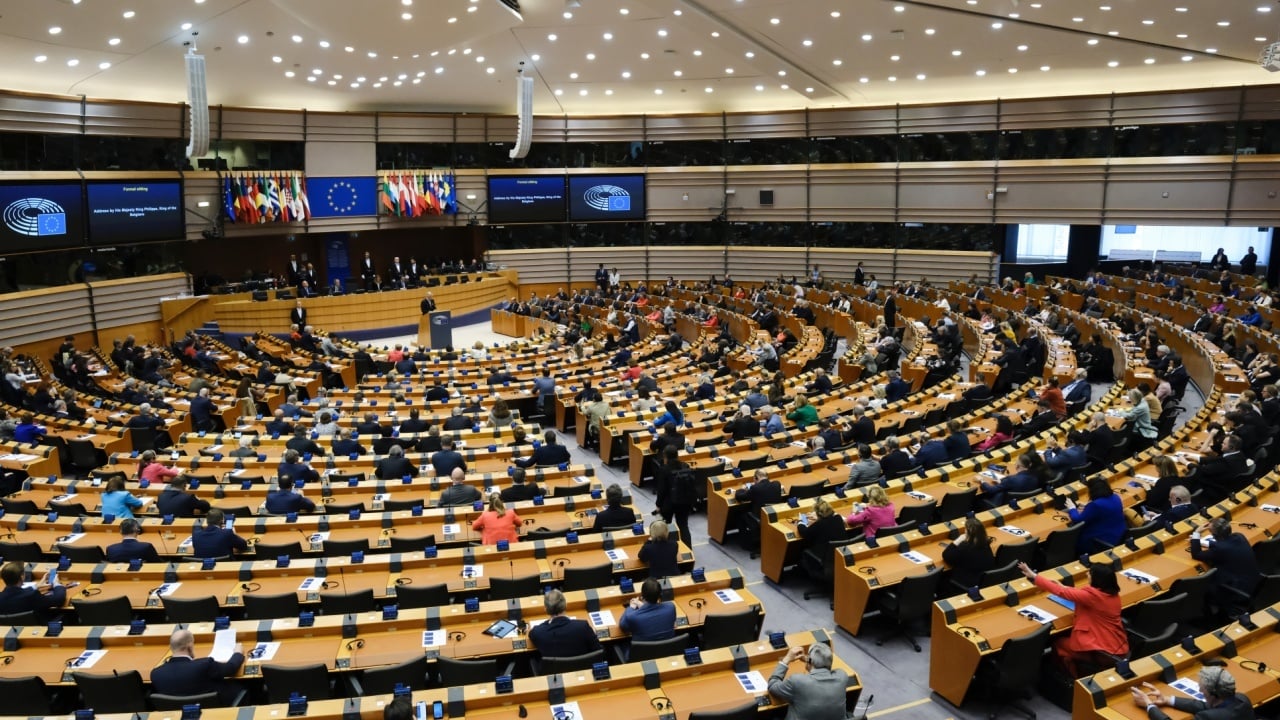
Europe is a step closer to implementing a unified central bank digital currency ( CBDC), the digital euro, across the eurozone.
On Thursday, the European Parliament advanced the creation of a digital euro with 416 votes in favor, 169 votes against, and 22 abstentions, allowing it to proceed into a new legal stage.
The currency, first proposed in 2023 as an instrument enabling Europe to maintain its monetary sovereignty and put digital cash in the hands of its citizens, now enters into a new state of negotiations, with the parliament discussing the details of an upcoming implementation with member states.
Fernando Navarrete Rojas, the rapporteur who will lead negotiations, stressed that the digital euro would become a new electronic form of money and would not substitute cash.
“The digital euro will complement cash, never replace it. No one should be forced away from cash, and no one should be left without a secure, resilient and genuinely European digital payment option,” he stated.
Among the key positions of the parliament are the wide acceptance of this new currency, with exceptions applying to small and micro enterprises that don’t accept other digital payments, and the establishment of privacy safeguards for transactions.
The provision of digital euro basic services, such as opening accounts and managing funds, would be free, including access to at least one payment instrument.
In its initial phases, there will be a cap on the maximum amount of digital euros a person can hold to protect the financial system.
While the proposal has just recently been advanced, the European Central Bank (ECB) has been working to enable the currency’s presence in the payments arena, establishing partnerships with Europe’s main payment standard providers to ensure its inclusion.
The ECB has been promoting the digital euro as a shield against the increasing influence of private money, including stablecoins, in the European economy. Piero Cipollone, Executive Board Member of the European Central Bank (ECB), has stressed that the digital euro will “reduce Europe’s dependence on external providers and support innovative, pan-European payment solutions for consumers and merchants for domestic retail payments,” countering foreign stablecoin solutions.